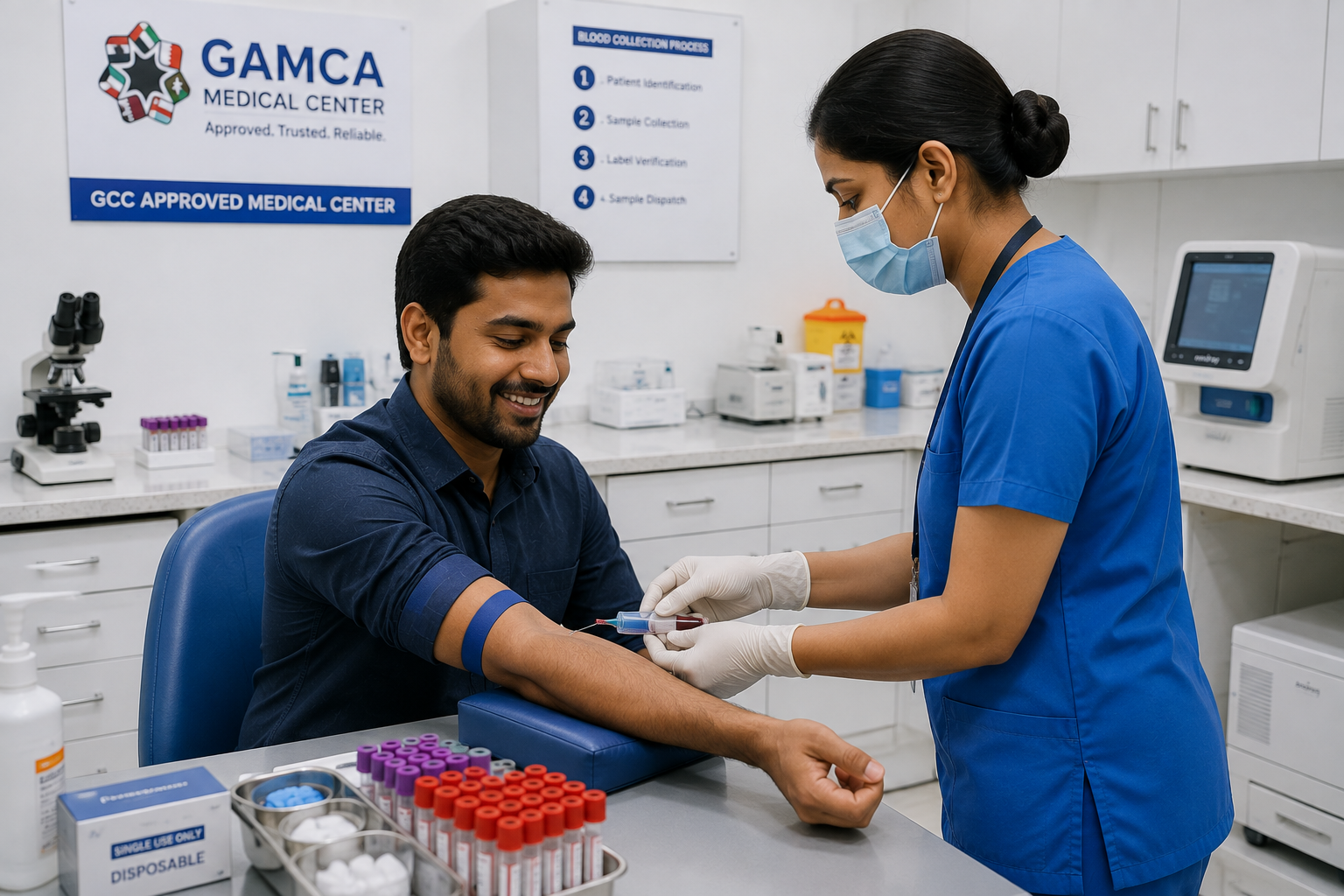
Anyone researching Gulf-bound medical requirements quickly runs into two terms used almost interchangeably — GAMCA and Wafid. For first-time applicants, this overlap can be genuinely confusing: are they the same thing, different systems, or two separate steps entirely? This article clears up the relationship and walks through exactly how the process works from an applicant’s point of view.
Understanding the Relationship Between the Two Terms
GAMCA refers to the Gulf Approved Medical Centres Association, the umbrella body overseeing standardised medical screening for six GCC nations. Wafid, on the other hand, is the specific online platform used by Saudi Arabia’s Ministry of Health to manage the registration, scheduling, and result-tracking for these medical examinations. In practice, when people refer to a Wafid GAMCA medical, they usually mean the Saudi Arabia-specific screening process conducted through GAMCA-approved centres but registered and tracked via the Wafid portal.
Why This Distinction Matters for Applicants
Understanding this connection matters because it affects where you register and how you track your results. If you’re applying for a Saudi Arabia-bound visa, you’ll typically go through the Wafid system specifically, rather than a generic GCC portal, since Saudi authorities use this platform to manage the entire applicant database. Getting this right at the outset avoids the confusion of registering through the wrong channel and then wondering why your results aren’t appearing where your employer expects them.
How the Wafid Registration Process Works
The process begins with creating an account or application on the Wafid platform, entering your personal and passport details accurately, and selecting your intended job category and destination. Once registered, you’ll be directed to choose an authorised centre near you to complete the physical examination, since Wafid itself doesn’t conduct tests — it manages the administrative and data side of the process while GAMCA-approved clinics handle the actual medical work.
What the Medical Examination Involves
The examination itself mirrors the standard GCC panel: a chest X-ray for tuberculosis screening, a general physical assessment covering vision, hearing, and mobility, and blood tests for conditions including HIV, hepatitis B and C, and syphilis, with malaria screening added for applicants from regions where it’s relevant. Completing this through a properly listed Wafid GAMCA medical centre ensures your results are correctly linked to your Wafid application file rather than getting lost between separate systems.
Tracking Your Results Through the Portal
One of the practical advantages of the Wafid system is that applicants can track their examination status directly online using their application or passport number, rather than depending entirely on the clinic or a recruitment agent for updates. This transparency has made it considerably easier for applicants to know exactly where their file stands at any given point, especially useful when visa deadlines are tight.
Typical Timeline for the Full Process
From initial Wafid registration to a finalised result appearing on the portal, most applicants can expect the process to take between five and ten working days, depending on centre availability and how quickly laboratory results are processed. Booking your appointment as early as possible in your visa timeline remains the single most effective way to avoid last-minute stress.
Common Points of Confusion
Applicants sometimes mistakenly register on a generic GCC portal rather than the Wafid-specific platform for Saudi Arabia, leading to results that don’t link up correctly with their visa file. Others assume that once they’ve completed the Wafid application, the medical examination happens automatically — when in fact a separate visit to a GAMCA-approved centre is always required. Being clear on this two-part structure from the start prevents both of these common mix-ups.
What Happens If You’re Found Unfit
As with other GCC destinations, an unfit result through the Wafid GAMCA medical process isn’t necessarily final. Depending on the specific finding, applicants may be able to pursue treatment and request a re-examination after an appropriate interval. Discussing your specific case directly with the examining centre remains the most reliable way to understand your options going forward.
Choosing the Right Centre for Your Wafid-Linked Medical
Not every clinic that advertises Gulf medical testing is properly linked to the Wafid system, so it’s worth confirming directly with the centre that they can upload results to your specific Wafid application before booking. A well-established centre will be familiar with this integration and able to explain exactly how your test results connect back to your online application, whereas a less experienced or unauthorised operator may leave you with a completed test that never actually reflects in your Wafid file. This single verification step can save you from a frustrating situation where your visa file appears incomplete despite having gone through the entire physical examination.
Costs and Payment Within the Wafid System
Fees for the medical examination are generally paid at the centre itself, separate from any administrative charges that may apply on the Wafid platform for application processing. It’s useful to ask for an itemised receipt covering both the medical test and any platform-related fees, so you have a clear record in case your employer or agency requests proof of payment as part of your visa documentation. Comparing costs across a couple of nearby authorised centres before booking is a reasonable approach, provided you’re only comparing centres that are genuinely listed and approved rather than trading a small saving for the risk of an unrecognised facility.
Quick Checklist Before You Visit a Centre
Keep your original passport, Wafid application reference, and a passport-sized photograph ready before your appointment. If you have any ongoing medical treatment, bring relevant prescriptions or reports so the examining doctor has complete information rather than an isolated result to interpret. Confirming your appointment time the day before, especially during busy recruitment seasons, helps avoid the disappointment of arriving to find your slot has been rescheduled without your knowledge.
Final Takeaway
Once you understand that Wafid is the administrative platform and GAMCA is the network of approved clinics carrying out the actual testing, the entire process becomes far less confusing. Register accurately, choose a properly authorised centre, and track your status directly through the portal rather than relying on secondhand updates, and this step of your Saudi Arabia visa journey should move through without unnecessary friction.